






Medusa.js Commerce
Headless commerce for brands ready to ship at AI speed.

Vendor lock-in on closed SaaS platforms slowing every release.
Feature delivery bottlenecked by the platform roadmap, not your team.
Commerce data trapped behind proprietary APIs — can't feed your AI workflows.
The stack is yours. So is the roadmap.
Zero platform tax
No revenue share, no percentage of GMV. You pay for infrastructure and your payment provider — nothing else. At scale, that's the line item that funds the whole build.
You own the entire stack
Database, schema, backups, business logic — all of it lives in your infrastructure. Medusa is MIT-licensed and self-hosted, so nothing about your commerce layer depends on a vendor's roadmap or uptime.
Composable by design
Cart, orders, inventory, fulfillment, pricing — every capability is a separate module exposed through APIs. Extend or replace one piece without touching the rest, instead of stacking third-party apps on a closed platform.
Built for AI and agent-driven commerce
Modular TypeScript architecture and exposed business logic make Medusa a natural fit for agent frameworks. It ships an MCP server for direct LLM tool calling — access most closed platforms rate-limit or wall off entirely.
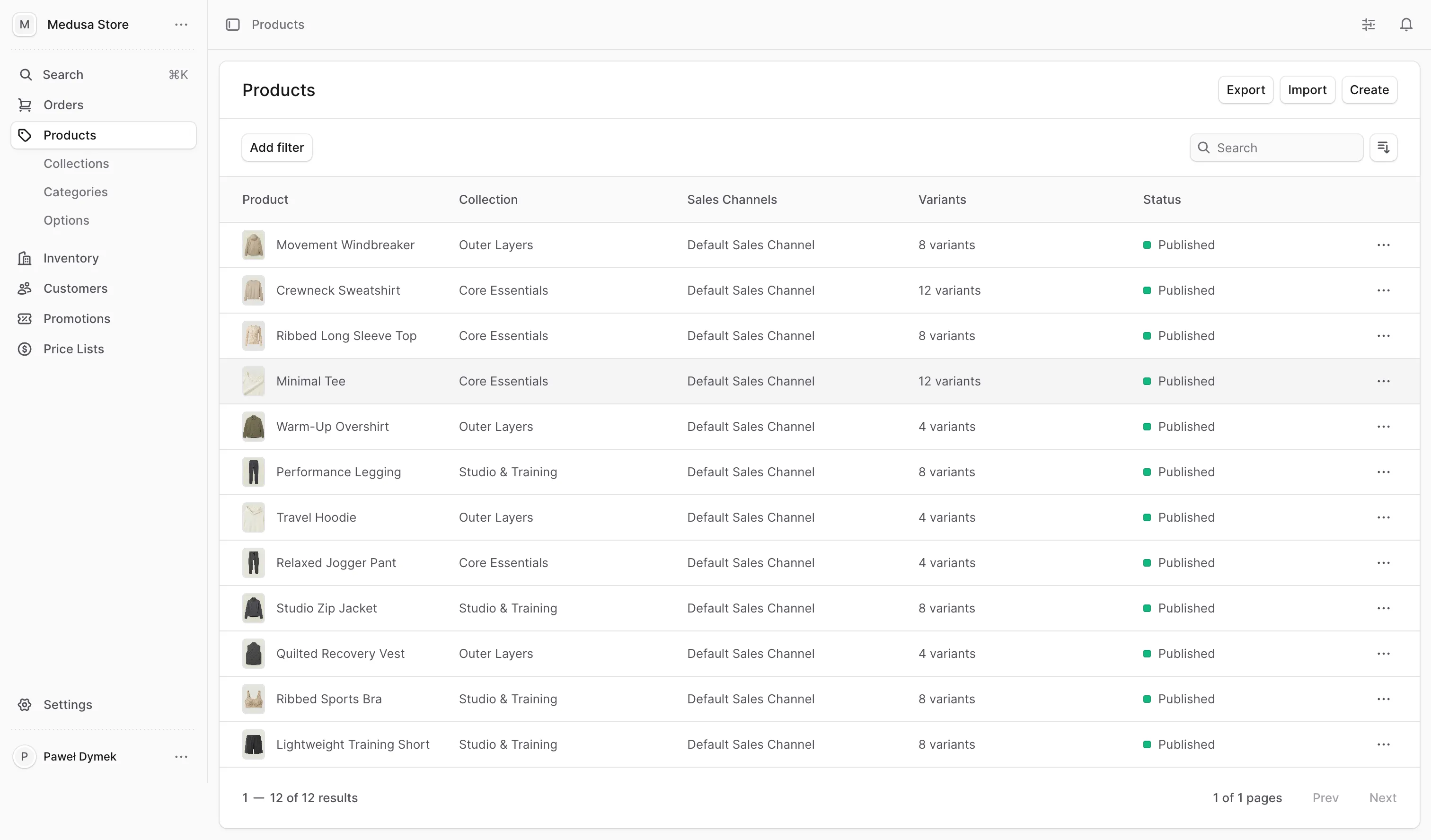
What you get

Full headless build on Medusa.js: Next.js storefront, modular backend, payments, search, ERP and ESP integrations.
AI engineered into the commerce core — pricing engines, personalisation, replenishment agents that ship to production.
Full code ownership. Clean migration off your current platform with zero lock-in.

A team that hands the keys over when we're done. Your devs pick it up on day one.
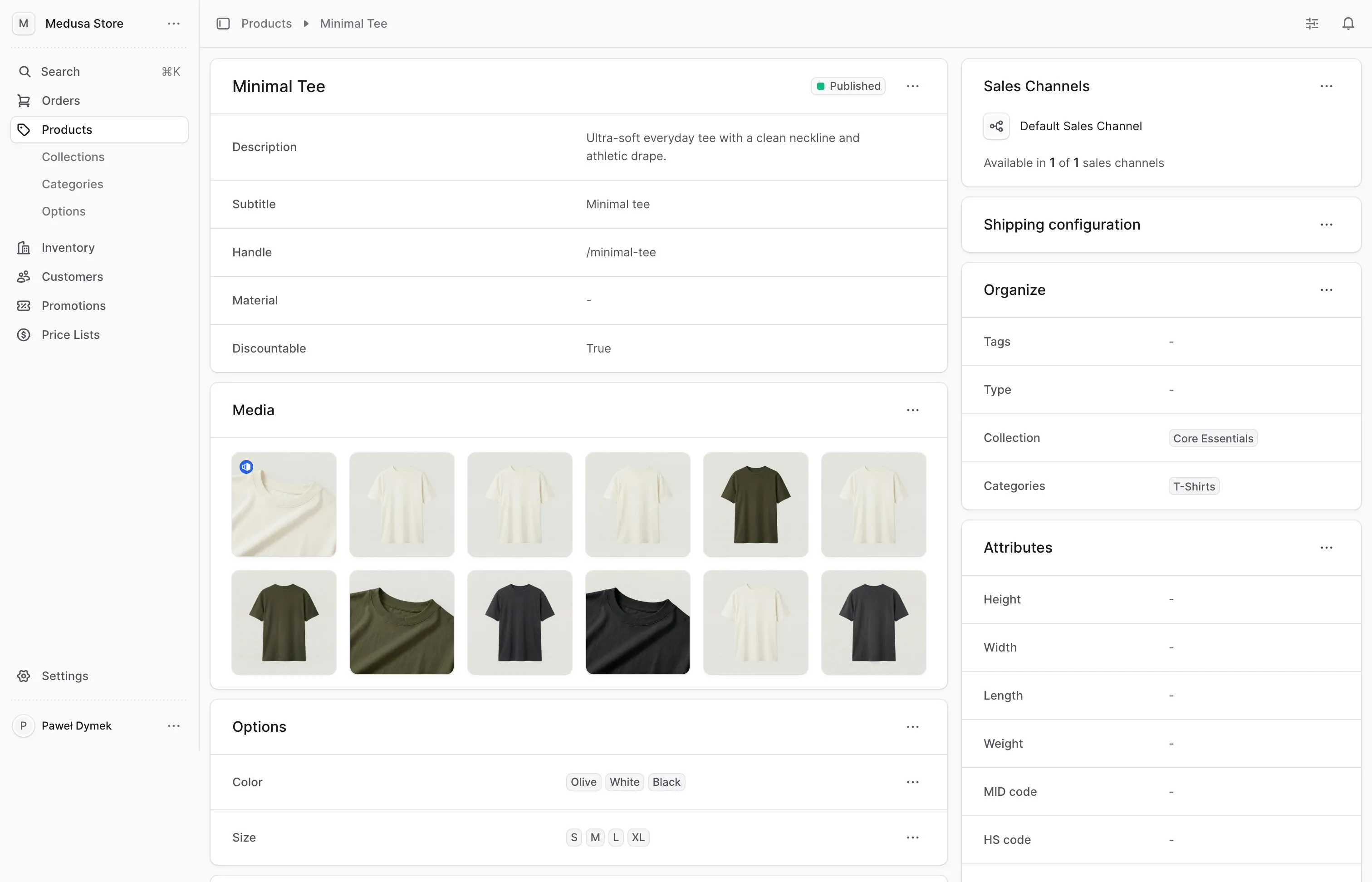
Is Medusa the right call?
Medusa is the right call when:
You're past the point where a platform's cut — percentage fees, tier upgrades, usage overages — is real money, not a rounding error.
Your business model breaks what turnkey platforms assume — complex B2B pricing, multi-vendor marketplaces, region-specific tax logic.
You need a dedicated content layer (Next.js + Payload/Sanity + Medusa) instead of theming inside a closed system.
You have — or we provide — a backend engineer who owns deployment. Medusa offers far more flexibility for connecting commerce with ERP systems or custom CRM workflows, but that flexibility comes with more technical responsibility.
Stay on a SaaS platform if:
You need to launch in weeks, have no dedicated dev resource, and want hosting, PCI compliance, and a ready-made app ecosystem handled for you out of the box.
What that looks like next to a SaaS platform
Shopify, BigCommerce, Salesforce Commerce Cloud — most SaaS platforms share the same trade: a cut of your revenue for convenience. Here's what that trade costs at $1M GMV, using Shopify as the example.
~$9,800/year
~$3,000/year infra + a few engineering hours/month
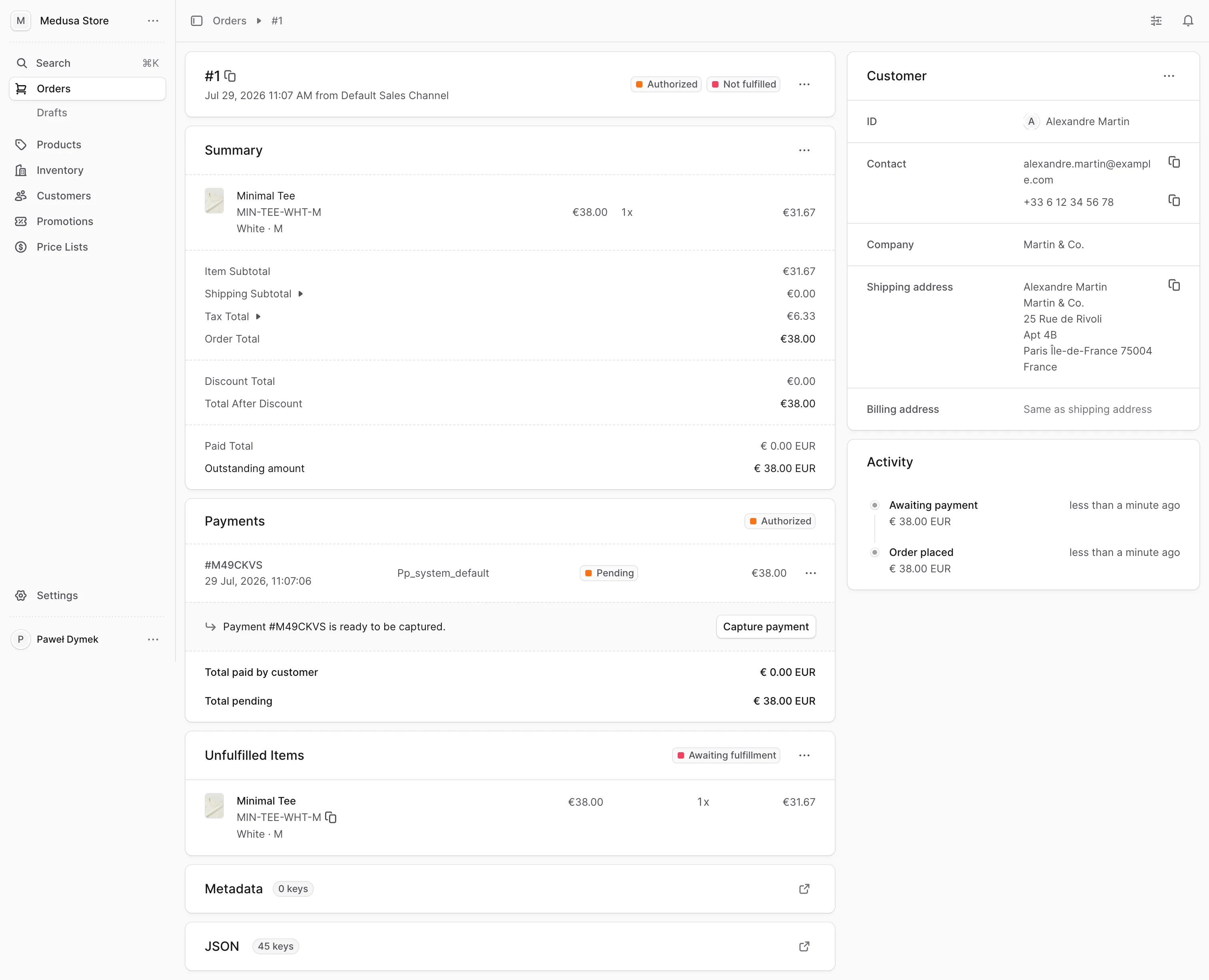
Our process

1 week. Export data from your current platform, map existing apps and integrations to Medusa modules, identify what doesn't transfer 1:1.

2–4 weeks. Medusa backend and Next.js storefront built alongside your live store, without interrupting sales.

6–10 weeks. Migrate catalog, customers, and order history; wire up payment and fulfillment providers.

DNS switch, monitoring, on-call. Then we hand over.
Own your stack. Ship at AI speed.
One week gets you a full audit — your current platform mapped to Medusa modules, and a clear picture of what migrates 1:1 before you commit to anything.

Selected work in this service
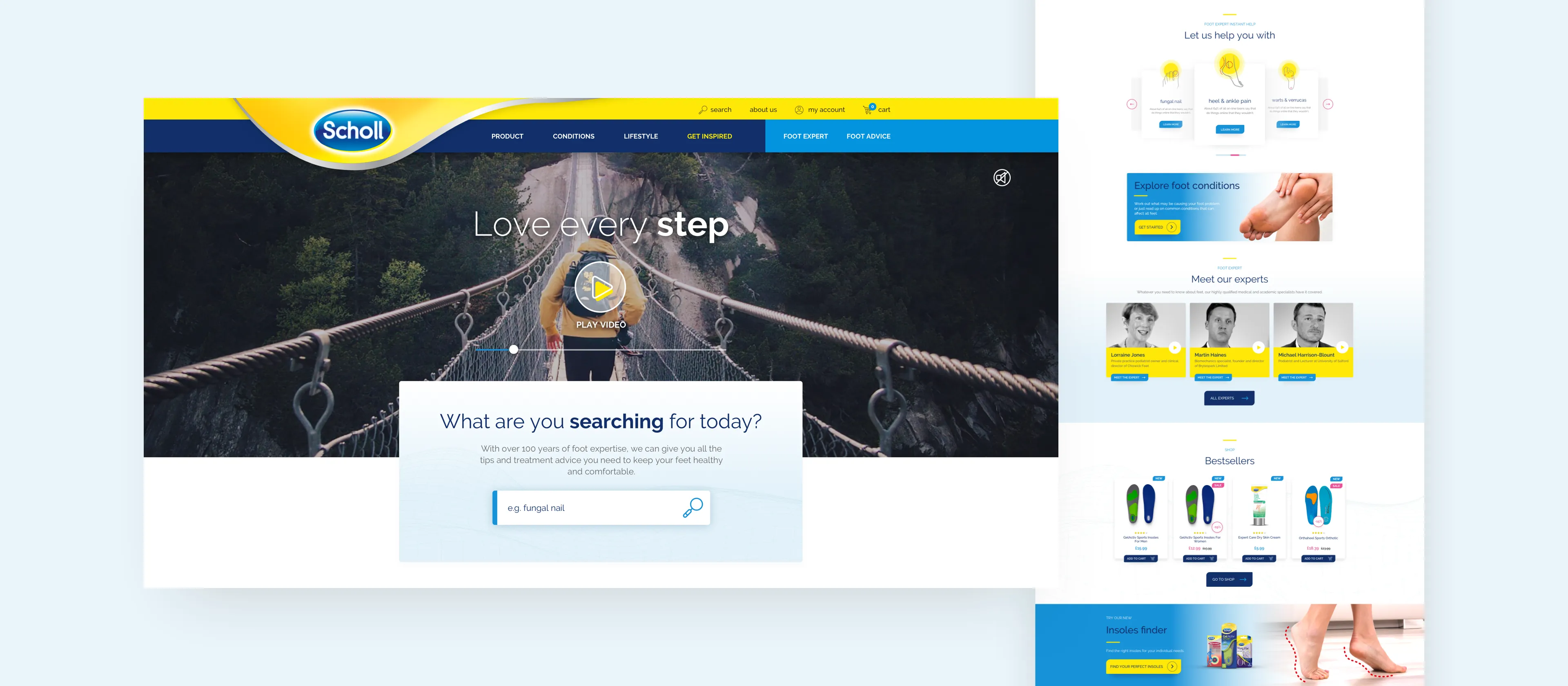
Scholl, View Case Study
A comprehensive redesign of the e-commerce store based on Shopify Plus and implementation in dozens of markets.
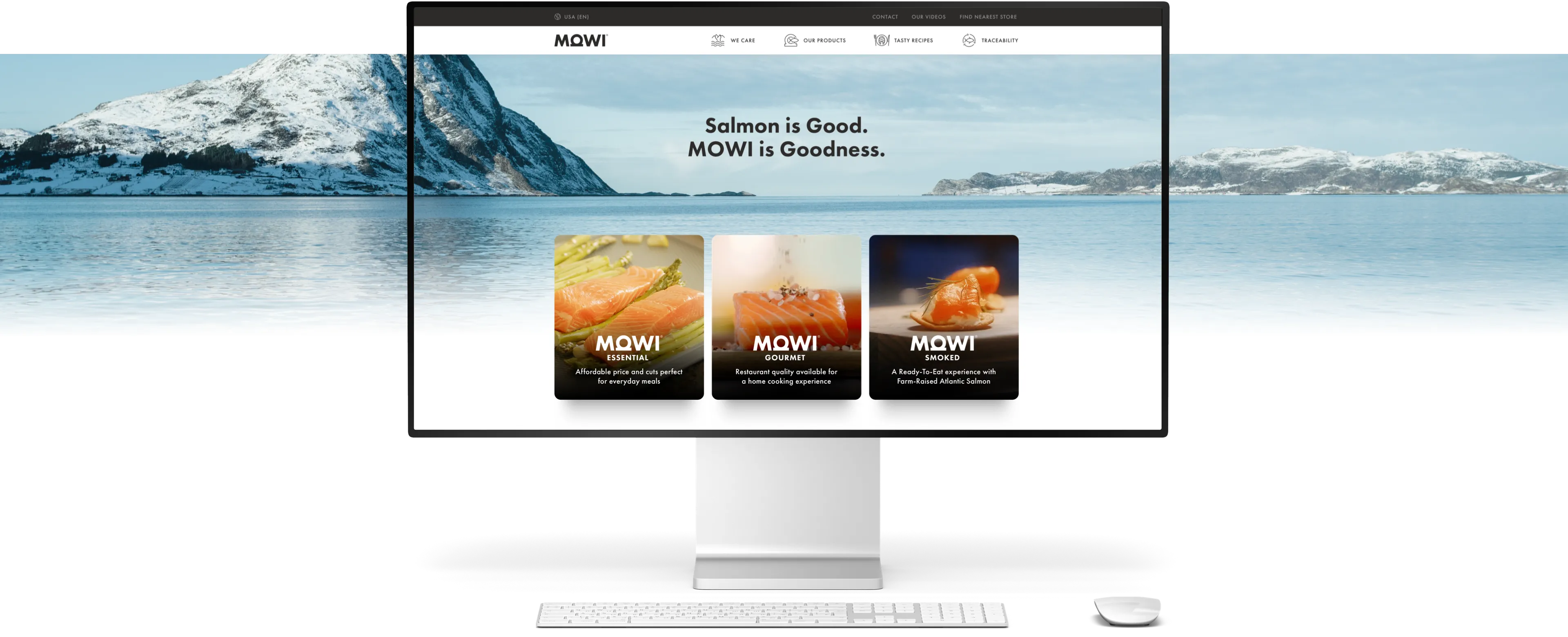
MOWI, View Case Study
Website design and development for the world's largest salmon farming brand, as part of its expansion into the highly competitive US market.